As a health blogger, I’m here to clear up a common misconception about cholesterol—a substance often demonized as a health villain. In reality, cholesterol is far from the enemy it’s made out to be. Let’s dive into what cholesterol really is, why low-density lipoprotein (LDL) cholesterol gets a bad rap, and how you can protect your heart and blood vessels using the HOOK model (Hook, Objective, Orient, Knowledge, Urgency, Stimulus, Evidence, Action).
Cholesterol: The silent ‘villain’ blamed for heart disease—yet it’s vital for every cell in your body!
When you hear “cholesterol,” do you instantly think “heart attack” or “danger”? You’re not alone. For decades, cholesterol has been painted as a health disaster waiting to happen. But what if I told you cholesterol is essential for life—and the real culprit behind heart disease is something else entirely? Let’s uncover the truth about cholesterol, especially low-density lipoprotein (LDL), and how you can protect your heart.
The goal of this article is to demystify cholesterol, explain the role of LDL cholesterol, and provide clear, actionable steps to prevent cardiovascular disease. By understanding the science and making simple dietary and lifestyle changes, you can reduce inflammation and keep your heart healthy.

Cholesterol has been unfairly blamed for heart disease since the mid-20th century. In the 1970s, a flawed study called the Seven Countries Study linked saturated fats (and by extension, cholesterol) to heart disease. This led to the rise of low-fat diets and a fear of cholesterol-rich foods like eggs and butter. But the truth is more complex—cholesterol is not the enemy, and the real driver of heart disease is inflammation, often fueled by modern dietary imbalances.
Let’s break it down in a way that’s easy to understand:
What is Cholesterol?
- Cholesterol is a waxy substance produced by your liver (about 80% of it) and found in every cell of your body.
- It’s critical for building cell membranes, producing hormones, and supporting brain function (your brain has the highest cholesterol content in your body!).
- Without cholesterol, your cells wouldn’t function properly, and you couldn’t survive.
Why Does Cholesterol Get Blamed?
- When researchers studied clogged arteries (plaques) in heart disease patients, they found cholesterol in the plaques. This led to the assumption that cholesterol causes plaques, which can break off and cause heart attacks or strokes.
- However, cholesterol isn’t the root cause—it’s just part of the plaque. The real issue is inflammation in the blood vessel walls, which creates a “sticky” environment where cholesterol can accumulate.
Understanding LDL Cholesterol: The “Bad” Guy?
- Cholesterol travels in your blood via carriers called lipoproteins. There are two main types:
- High-Density Lipoprotein (HDL): Known as “good” cholesterol, it helps remove excess cholesterol from your bloodstream.
- Low-Density Lipoprotein (LDL): Often called “bad” cholesterol, but not all LDL is harmful.
- LDL comes in two forms:
- Large, fluffy LDL: Harmless and possibly beneficial, like HDL.
- Small, dense LDL: This type can contribute to plaque formation when inflammation is present.
- Small, dense LDL only becomes a problem when it gets trapped in inflamed blood vessel walls, where it oxidizes, attracts immune cells (macrophages), and forms “foam cells” that build up into plaques.
The Real Culprit: Inflammation
- Inflammation in the blood vessel lining (endothelium) is the root cause of plaque formation. It’s like a rough road where debris (like small, dense LDL) gets stuck.
- What causes inflammation? Three key culprits:
- Excess Omega-6 fatty acids: Found in refined seed oils (e.g., soybean, sunflower, and peanut oil), Omega-6 promotes inflammation. Modern diets have way too much Omega-6 compared to anti-inflammatory Omega-3 (found in fish oil or flaxseed).
- High sugar and refined carbs: These spike blood sugar, which irritates blood vessel walls and triggers inflammation.
- Trans fats: Found in processed foods like margarine, trans fats harden blood vessels and worsen inflammation.
The Omega-6/Omega-3 Imbalance
- Ideally, your diet should have a balanced ratio of Omega-6 to Omega-3 (around 4:1 or lower). Today, most people consume a ratio of 20:1 or higher due to processed foods and seed oils.
- This imbalance fuels chronic inflammation, setting the stage for heart disease.
Heart disease is a leading cause of death worldwide, and chronic inflammation from poor diet choices is a major driver. The longer you consume high Omega-6 oils, refined sugars, and trans fats, the more you damage your blood vessels. But the good news? You can start reversing this damage today with simple changes. Act now to protect your heart before inflammation takes its toll!
Imagine a life where your joints move freely, your energy is high, and your heart is strong. By tackling inflammation and balancing your diet, you can prevent cardiovascular disease and feel better every day. Small changes—like swapping seed oils for olive oil or adding Omega-3 supplements—can make a huge difference. You have the power to take control of your health!
- The Seven Countries Study Flaw: The 1970s study by Ancel Keys selectively used data from seven countries to link saturated fats to heart disease, ignoring countries like France, where high fat intake coexists with low heart disease rates.
- Omega-6 and Inflammation: Research shows that excessive Omega-6 intake (from seed oils) promotes inflammation, while Omega-3 (from fish oil) reduces it (Source: American Journal of Clinical Nutrition).
- Cholesterol and Brain Health: Low cholesterol levels in older adults are linked to a higher risk of dementia, as cholesterol is vital for brain function (Neurology, 2019).
- Inflammation as the Root Cause: Studies confirm that vascular inflammation, not cholesterol alone, drives plaque formation (Journal of the American College of Cardiology).
To protect your heart and reduce inflammation, follow these practical steps:
- Balance Omega-6 and Omega-3:
- Swap refined seed oils (e.g., soybean, sunflower, peanut) for healthier fats like extra virgin olive oil, avocado oil, coconut oil, or even butter.
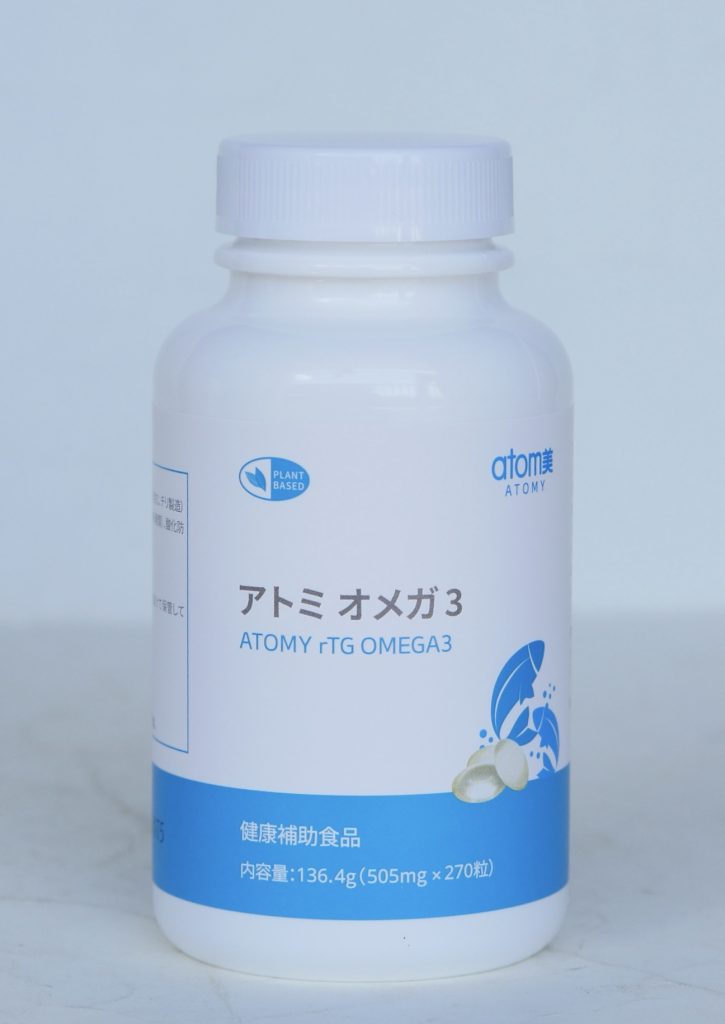
- Eat Omega-3-rich foods like fatty fish (salmon, mackerel) or consider a high-quality Omega-3 supplement (e.g., fish oil with 400mg EPA and 300mg DHA, like Atomy Omega-3).
- Cut Sugar and Refined Carbs:
- Limit sugary drinks, white bread, and processed snacks to keep blood sugar stable and reduce inflammation.
- Avoid Trans Fats:
- Check labels for “partially hydrogenated oils” in processed foods like margarine, baked goods, and snacks.
- Supplement Smartly:
- Omega-3: Take a daily supplement to boost anti-inflammatory effects.
- L-Arginine: This amino acid supports nitric oxide production, which relaxes blood vessels and lowers blood pressure.
- Magnesium: Helps regulate heart rhythm and relax blood vessels. Aim for 300–400mg daily from food (nuts, leafy greens) or supplements.
- Monitor Your Health:
- Ask your doctor for a blood test to check your LDL particle size (small, dense vs. large, fluffy) and inflammation markers like C-reactive protein (CRP).
- Adopt a Mediterranean-Style Diet:
- Focus on whole foods like vegetables, fruits, nuts, fish, and olive oil to naturally balance fats and reduce inflammation.
For a high-quality Omega-3 supplement, consider Made in Japan Atomy Omega-3 (available at https://jp.atomy.com), which uses rTG technology for better absorption and contains 400mg EPA and 300mg DHA per capsule.
ConclusionCholesterol isn’t the villain it’s been made out to be—it’s a vital part of your body. The real driver of heart disease is inflammation, often caused by an imbalance of Omega-6 and Omega-3, excess sugar, and trans fats. By making smarter dietary choices and adding key nutrients like Omega-3, L-arginine, and magnesium, you can protect your heart and live healthier. Start today—your heart deserves it!