Stay Away from Cholesterol Health Issues
Eat More of This Superfood
The Brain-Cholesterol Connection
Among all the organs in our body, the brain contains the highest amount of cholesterol. An organ as sophisticated as the human brain doesn't waste any space, which highlights the critical importance of cholesterol for its normal functioning.
However, many people still view cholesterol as a harmful substance. It's undeniable that cholesterol plays a role in the risk of cardiovascular diseases, but this is conditional, and the conditions are highly complex.
For the average person, it's challenging to determine whether cholesterol is "good" or "bad." Therefore, keeping all cholesterol markers within a reasonable range can significantly reduce the risk of cardiovascular diseases.
Meet the Superfood: Sesame Seeds
A highly effective natural solution for balancing cholesterol levels
Sesame seeds are no stranger to many cultures, with foods like sesame paste and sesame porridge being widely enjoyed. Sesame is an incredibly nutrient-dense food, packed with beneficial micronutrients.
Nutritional Powerhouse
Per 100 grams of black sesame seeds:
Also Rich In:
How Sesame Seeds Balance Cholesterol
Reducing Intestinal Absorption
The dietary fiber in sesame seeds helps bind excess cholesterol and facilitates its excretion, preventing reabsorption. Additionally, sesame seeds promote the secretion of cholesterol-containing bile.
Inhibiting Harmful Synthesis
Sesame seeds effectively suppress the activity of HMG-CoA reductase, an enzyme that promotes the production of harmful cholesterol in the body.
Reducing LDL Oxidation
Active compounds in sesame seeds reduce the risk of LDL oxidation and glycation, making them less likely to contribute to cardiovascular issues.
Enhancing Bile Acid Synthesis
Sesame seeds upregulate cholesterol 7-alpha-hydroxylase, catalyzing the conversion of cholesterol into bile acids. About 50% of the body's cholesterol is metabolized this way.
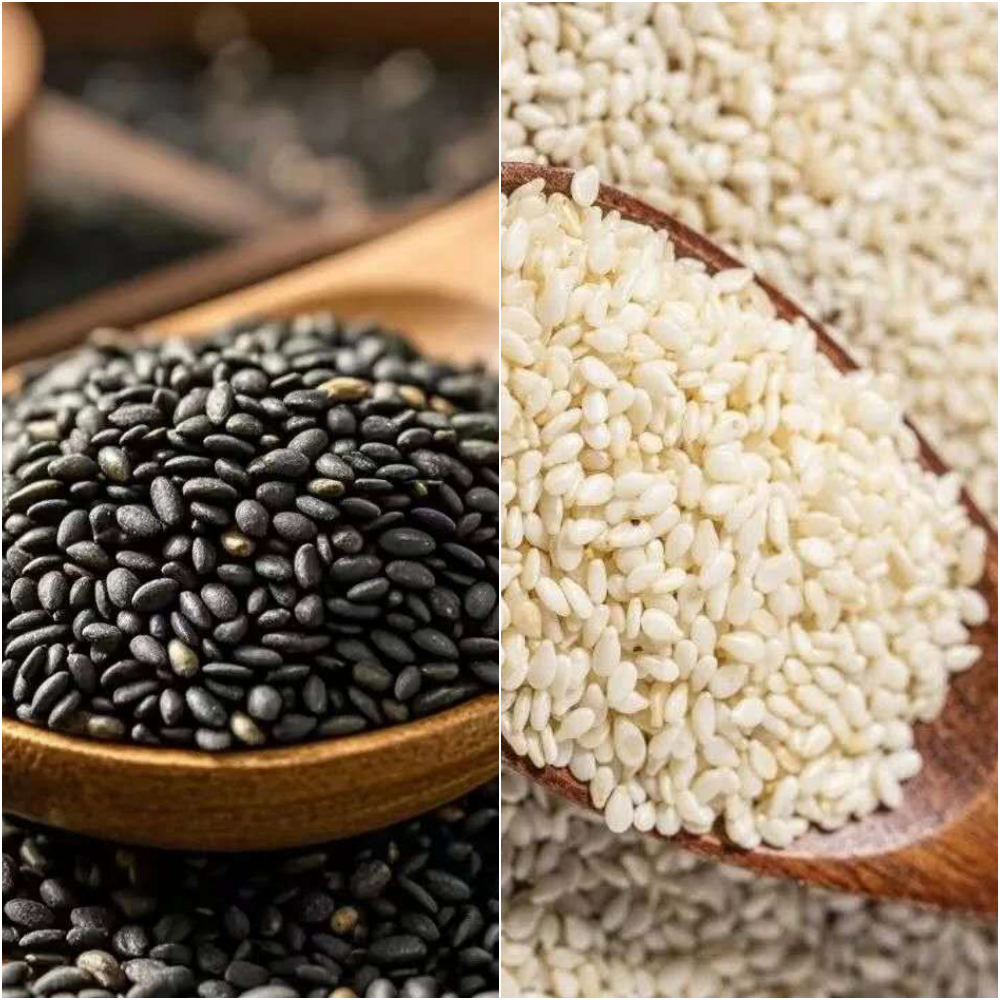
Black vs White Sesame Seeds
Black Sesame Seeds
- Higher nutritional content
- More minerals and vitamins
- Traditional medicine favorite
White Sesame Seeds
- Higher beneficial fatty acids
- Strong antioxidant properties
- Energy-boosting properties
Proven Results
Daily Recommended Amount
Studies have shown that consuming 40 grams of sesame seeds daily can effectively improve all key cholesterol markers.
How Should You Eat Sesame Seeds?
Avoid Store-Bought Sesame Paste
Many might think of instant sesame paste, but I strongly advise against store-bought versions, as they often contain unhealthy additives.
Make Your Own Sesame Paste
Toast sesame seeds lightly in a dry pan
Blend in a food processor until smooth
No additives, preservatives, or unhealthy oils
Simple & Delicious Ways
Sprinkle toasted seeds into yogurt
Eat a handful of toasted seeds plain
Add to smoothies, salads, or oatmeal
Don't Stress About Perfection
The 40-gram recommendation is just a guideline—don't stress about hitting that exact amount. Eating some sesame seeds is better than none, so incorporate them into your diet whenever you can.
Start Your Cholesterol-Healthy Journey Today
Incorporate sesame seeds into your daily diet and take control of your cholesterol levels naturally.